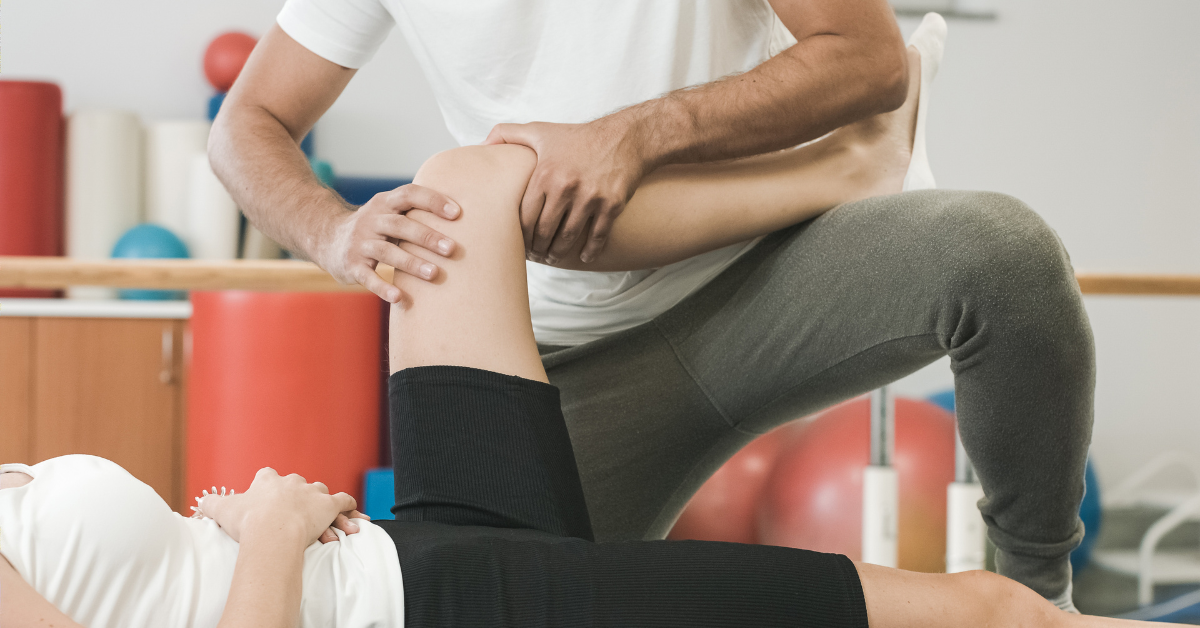
Starting recovery after knee replacement surgery can be daunting yet fulfilling. While it’s natural to want to take charge of your rehabilitation, physical therapy (PT) is essential for restoring strength, mobility, and overall function. Before attempting exercises on your own, it’s crucial to work with a skilled physical therapist who can guide you through a structured recovery plan. This guide offers essential insights into the recovery process, emphasizing the importance of PT after knee replacement and outlining key exercises to aid your rehabilitation under professional supervision. By prioritizing PT, you can enhance your recovery experience and safely return to daily activities.
Understanding Knee Replacement Surgery
Knee replacement surgery is a significant intervention designed to relieve pain and restore function for those with severe knee joint damage, often due to arthritis or injury. The surgery involves replacing damaged knee components with artificial parts to improve mobility and quality of life. There are two primary types of knee replacements: total knee replacement, which replaces the entire joint, and partial knee replacement, which targets only the damaged area, preserving healthy tissue and bone.
Understanding the procedure helps reduce anxiety. Typically, the surgery lasts one to two hours under general or spinal anesthesia. Post-surgery, patients are monitored before moving to a hospital room. Pain management and rehabilitation are crucial, with physical therapy playing a pivotal role in regaining strength and mobility. Understanding the procedure empowers patients to actively participate in their recovery, with guidance from healthcare professionals.
The Importance of Physical Therapy Post-Surgery
Physical therapy after knee replacement is crucial for recovery, focusing on restoring strength, flexibility, and functionality in the knee joint. Collaborating with a skilled physical therapist allows for the development of a personalized rehabilitation plan tailored to your individual needs and goals.
Early intervention in rehabilitation is key to optimal recovery. Starting physical therapy soon after surgery can prevent complications like stiffness and muscle atrophy. Guided exercises and mobility training lead to safer healing and increased confidence as patients resume daily activities.
Physical therapy significantly reduces pain and enhances mobility. Through targeted exercises and manual techniques, therapists alleviate discomfort and promote circulation in the affected area. As patients progress under professional guidance, they experience improved range of motion and reduced pain levels, allowing them to return to favorite activities safely. Investing time in PT not only aids recovery but also empowers individuals to regain independence and lead an active lifestyle.
Initial Exercises for Recovery
Beginning recovery following knee replacement surgery should start with professional guidance in physical therapy. While gentle movements may support circulation and knee function, it’s vital to engage in these activities under the supervision of a physical therapist. Starting with light movements can encourage mobility without risking complications. Your therapist will help you find a comfortable starting position and focus on subtle movements to promote blood flow. As comfort improves, you may gradually explore standing activities with proper support and professional oversight.
Progressing activity levels thoughtfully is essential for effective recovery. Your therapist will help you integrate slightly more demanding movements as you gain strength and confidence. This mindful approach, guided by professional advice, helps prevent fatigue and supports steady advancement toward rehabilitation objectives. Remember that recovery is a journey, and taking time to progress steadily under professional supervision often yields the most favorable results.
Strengthening and Conditioning Exercises
Strengthening and conditioning exercises are crucial for optimal recovery and mobility restoration post-knee replacement. Key physical therapy exercises, such as straight leg raises, wall sits, and step-ups, are most effective when performed under the guidance of a physical therapist. These exercises target the muscles around the knee to stabilize the joint and support daily activities. Prioritizing quad and hamstring strengthening in your rehabilitation program is essential, with your therapist providing proper guidance to ensure safety and effectiveness.
Resistance training, when guided by a physical therapist, can be safely incorporated into your routine. Starting with low-resistance options like bands or light weights, your therapist will ensure that you maintain proper form and gradually increase resistance as strength improves. Avoid pushing through pain, and rely on your therapist to provide ongoing support and adjustments to your exercise regimen. Consistent, targeted strengthening exercises under professional supervision aid recovery, empowering you to regain independence and return to favorite activities safely.
Long-Term Rehabilitation Strategies
Recovering from knee replacement surgery requires careful planning and effort. Setting realistic recovery goals is the first step, and discussing these goals with your therapist is essential to create a tailored plan that aligns with your needs and abilities.
Consistency in physical therapy is vital for long-term recovery. Regular sessions with your therapist, combined with at-home exercises prescribed by them, enhance progress. Dedicate time daily to rehabilitation exercises as guided by your therapist, building strength and improving mobility over time. This routine not only aids physical recovery but also fosters discipline and commitment to your health.
Monitoring progress is essential for successful rehabilitation. Track achievements like range of motion or daily activity comfort with the help of your therapist. Regular discussions will allow for adjustments to your exercise regimen, ensuring continual challenge and support during healing. This proactive approach keeps you on track and maximizes your recovery journey.
Tips for a Successful Recovery Journey
Managing pain and swelling effectively is crucial for a smooth recovery after knee replacement surgery. Follow your physician’s medication recommendations and use ice packs on your knee for 15-20 minutes several times a day as directed by your healthcare provider. Elevate your leg to reduce swelling, keeping it elevated when resting.
Nutrition plays a vital role in healing; focus on a balanced diet rich in vitamins and minerals, especially those promoting bone health like calcium and vitamin D. Incorporate lean proteins, fruits, and vegetables for tissue repair and overall recovery. Stay hydrated to reduce swelling and support healing.
Monitor recovery closely with the assistance of your therapist. If pain increases, swelling persists, or mobility concerns arise, seek additional help. A skilled therapist provides tailored exercises that enhance strength, flexibility, and range of motion, ensuring safe and effective mobility recovery. At PT Northwest, our dedicated team supports you at every stage of recovery, helping you achieve your rehabilitation goals through professional guidance.
Engaging with Local Events for Motivation and Community
Participating in local events can boost motivation and foster community connections during your recovery. For those focusing on walking after knee surgery or replacement, the Salem area offers several walker-friendly options. The STRIDE 5K/10K Run-Walk is designed specifically for walkers and families, including strollers and leashed dogs. The Cherry City Half Marathon, 10K, 5K & Kids Race welcomes walkers of all ages and abilities, providing a fun and supportive environment. The Purple Ribbon Fun Run is another family-friendly option that combines a short walk with a community cause. Always consult with your physical therapist before participating to ensure your body is ready, and prioritize your rehabilitation journey with professional support.
If you or someone you know has an upcoming knee surgery, you can request an appointment with PT Northwest at any of our 9 locations.